
EN
Feature film
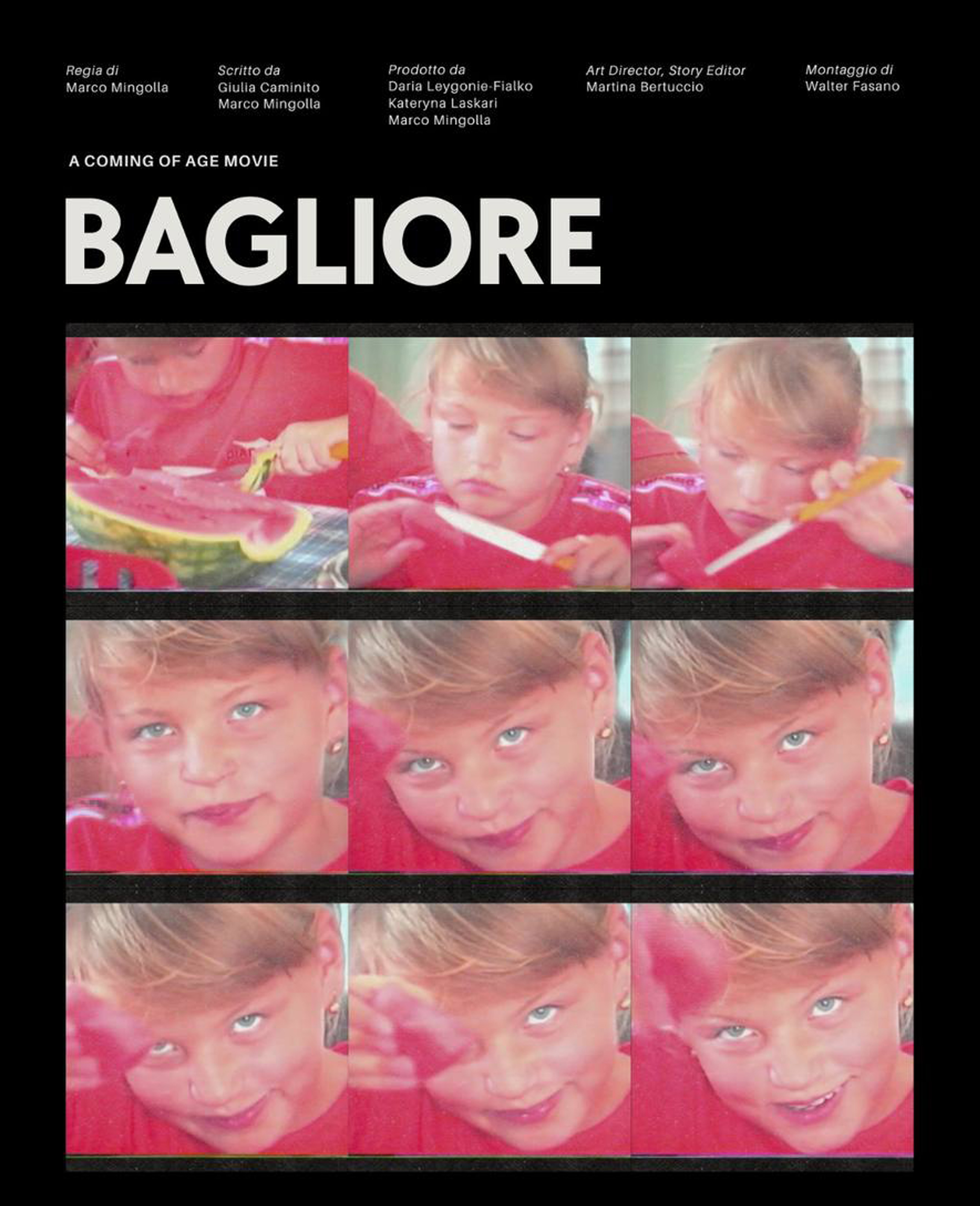
Bagliore
1986, Apulia, South Italy. Riccardo is a boy of eight and a half. His carefree and peaceful life suddenly comes to an end when his father is forced to leave home in search of work. His mother Margherita has to take care of the family and fulfil the promise she made to the church: to host a Ukrainian girl Natalia for a few months. Natalia needs a therapeutic stay away from her native Chernobyl. Margherita moves the whole family to Grandma Lina's house in the country, where they are joined by Margherita’s two sisters and nieces, creating a beautiful sorority, plus a boy. How does one become a man in an all-female universe? Riccardo explores his own sexuality, starting with his cousins, but he pays more attention to Natalia. Natalia is a quiet, reflective girl and is hiding a tender secret.
Bagliore is a coming-of-age film that tells the story of the most important summer in Riccardo's life as he explores himself. Without even realising it, Riccardo will grow up.
Genre:
Dramedy
Duration:
90’
TV series
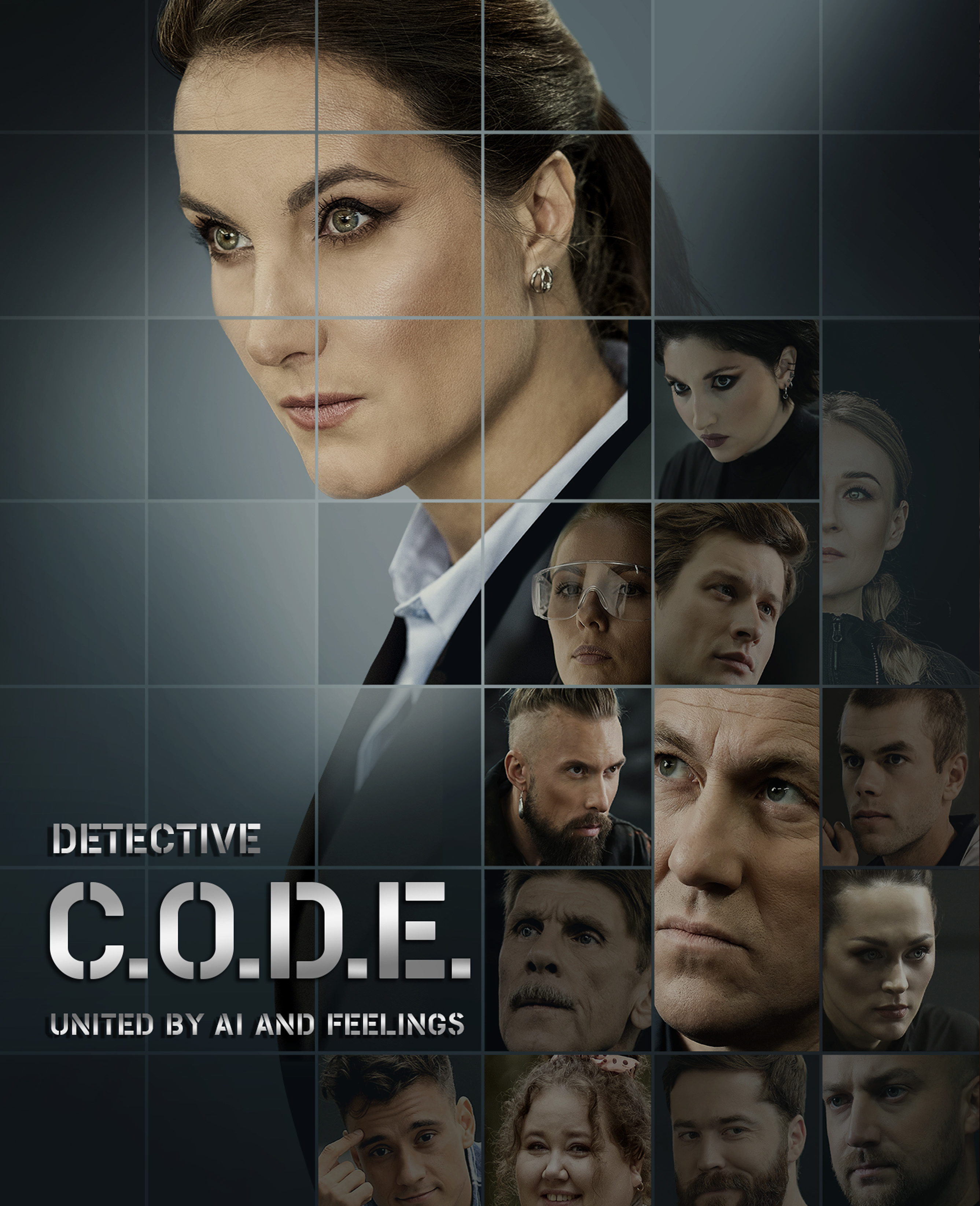
C.O.D.E.
This record breaking series has been topping TV ratings in Ukraine. C.O.D.E. is a unique detective procedural in which members of a special investigative unit are selected by an artificial intelligence system that also supports them in their work.
The unit’s story begins with the investigation of several high-profile murders of foreign nationals, occurring at the same time in Western Ukraine and Kyiv. Under intense diplomatic pressure, Ukrainian law enforcement takes a bold step: they decide to put the new AI program— C.O.D.E. — to the test. Using deep analysis of officers’ skills, traits, and the details of the crimes, the AI assembles an elite team. Together, they are C.O.D.E. —the Criminal Operational Department—where technology meets the human fight against crime.
Genre:
detective
Produced:
208 x 45’ episodes
In production:
56 episodes
Available as finished programming and dual format
Others
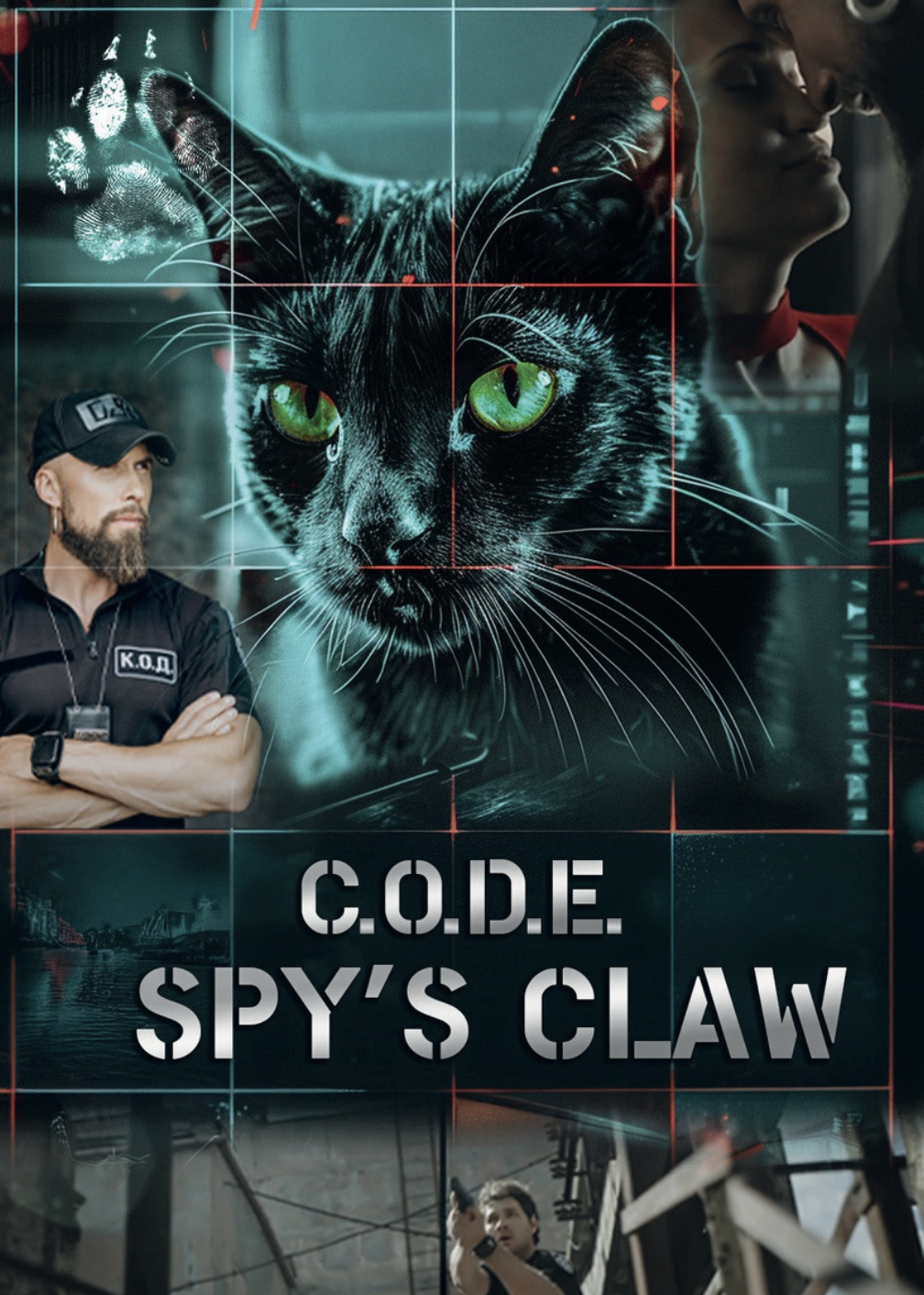
C.O.D.E. Spy’s Claw
Mysterious murders, all connected by one strange detail: the victims' cats refuse to go near any electrical appliances. In C.O.D.E.'s two-part special The Spy's Claw, the team dives into a tangled web of betrayal, jealousy, and espionage. While uncovering the truth, they must rescue not only human lives but also dozens of cats from a hidden spy base.
Genre:
detective
Produced:
2 x 45’ episodes
Others
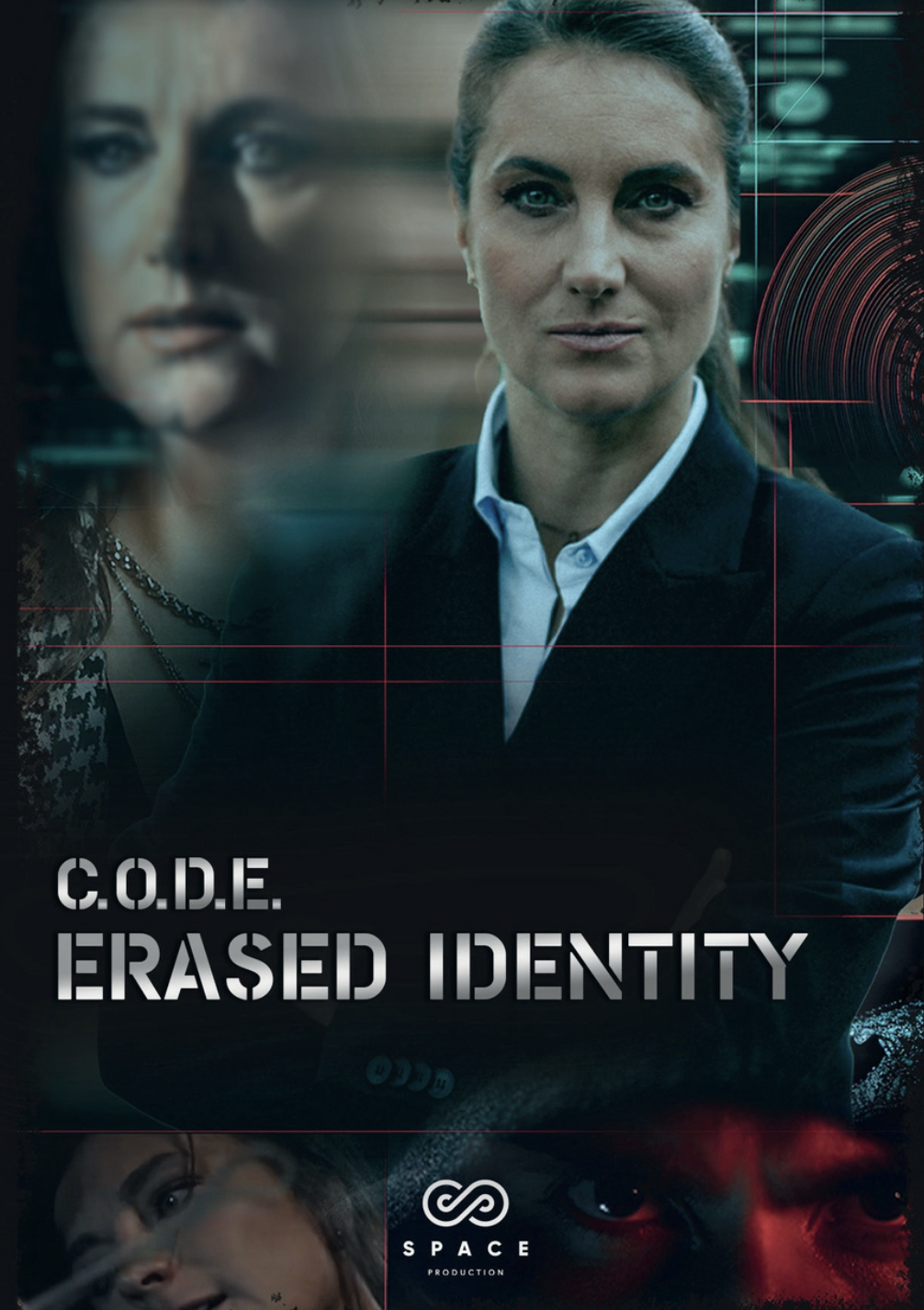
C.O.D.E. Erased Identity
Another two-part special of C.O.D.E., in which the team investigates the mysterious deaths of an antique dealer and a journalist whose digital footprints have disappeared from all databases. Working undercover, the C.O.D.E. unit gets involved in a deadly game of intense scrutiny, hypnosis, and harsh reckonings where people’s lives are at stake.
Genre:
detective
Produced:
2 x 45’ episodes
TV series
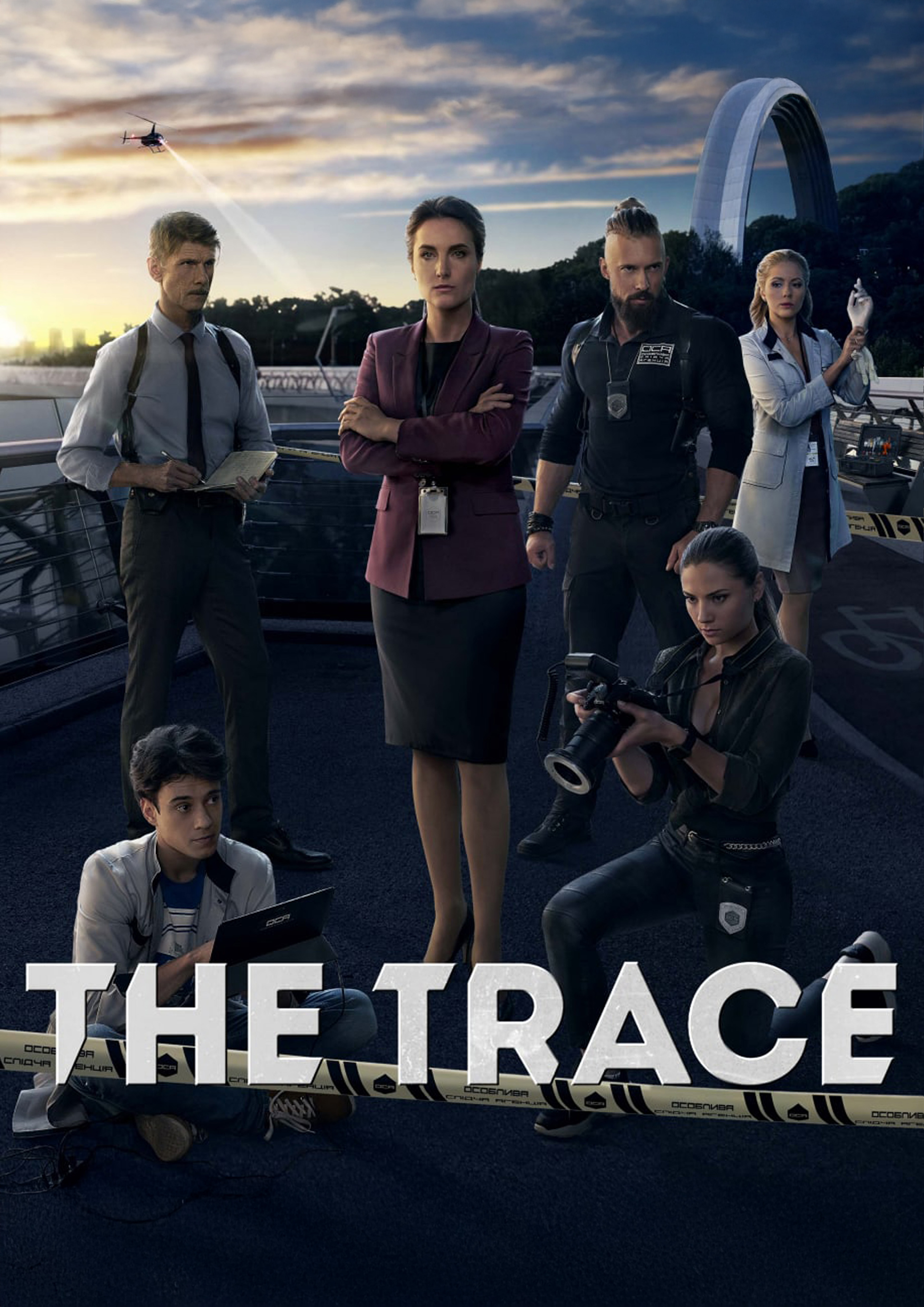
Trace
Created within police forces, Special Detective Agency (SDA) investigates high-profile and complex crimes. With the help of a cutting-edge technology, best forensic and medicolegal laboratories, and unique experts from various fields of expertise, the Agency solves grave crimes.
In Ukraine, the series takes leading position within broadcaster’s own programming as well as among other channels’ grids, making the series economically optimal solution for pre - prime time slots.
Genre:
detective
Formate:
284 x 45’ episodes
Available as ready-made & format
TV series
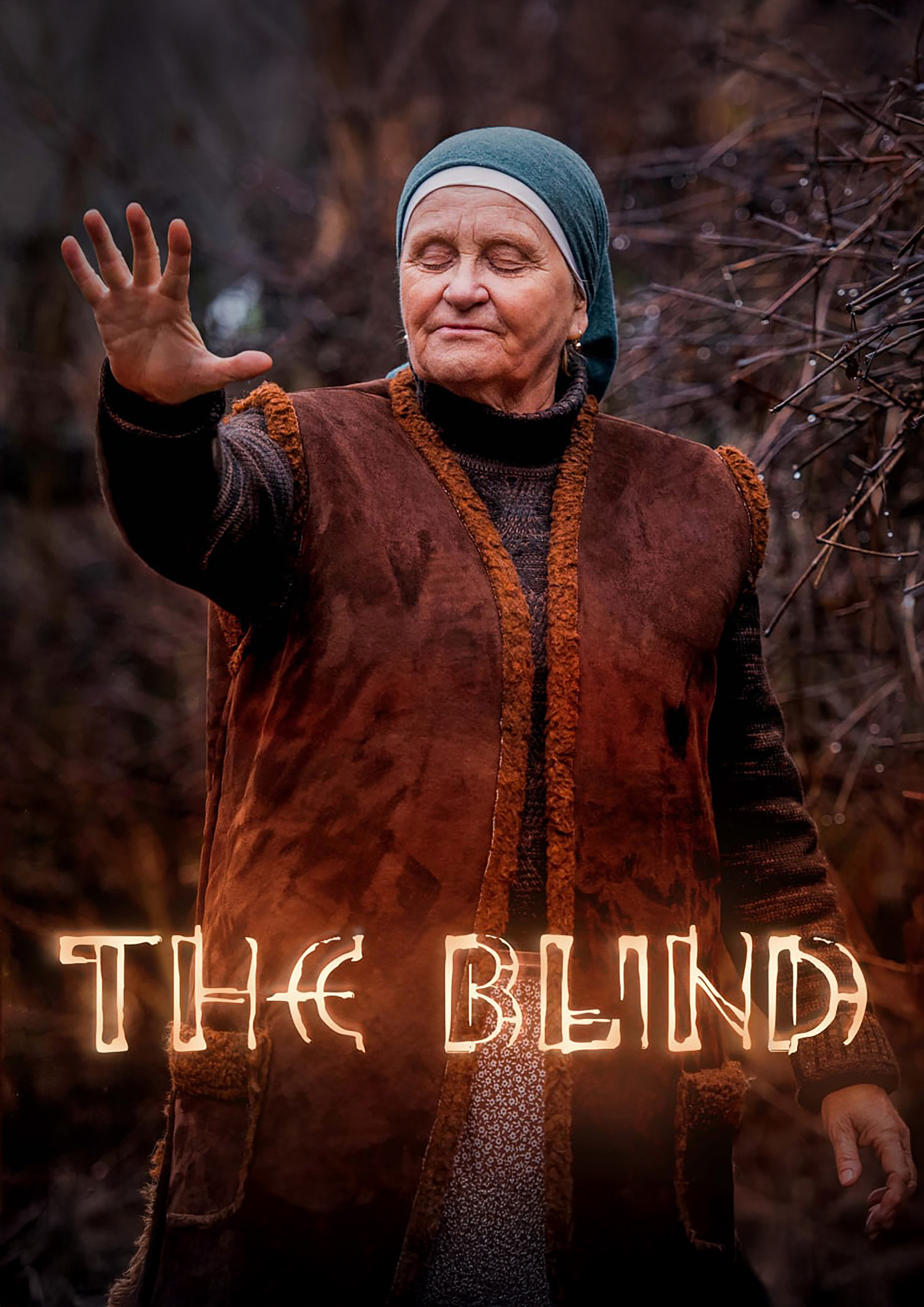
BLIND
Based on stories of real people.
The main character is a blind clairvoyant revered for her wisdom and sought after by people in need of help in various aspects of their lives: from family conflicts, relationship dilemmas to health issues.
Besides being one of the best rated programmes in Ukraine, the show is also one of the most economically efficient solutions for TV channels.
From its first broadcast, the docudrama gained leading position in programming grid increasing the average share of the channel. It has also proven to maintain high ratings in reruns and performs well on digital platform.
Produced:
524 x 24’ episodes
In production:
26 episodes
Available as ready-made & format
TV series
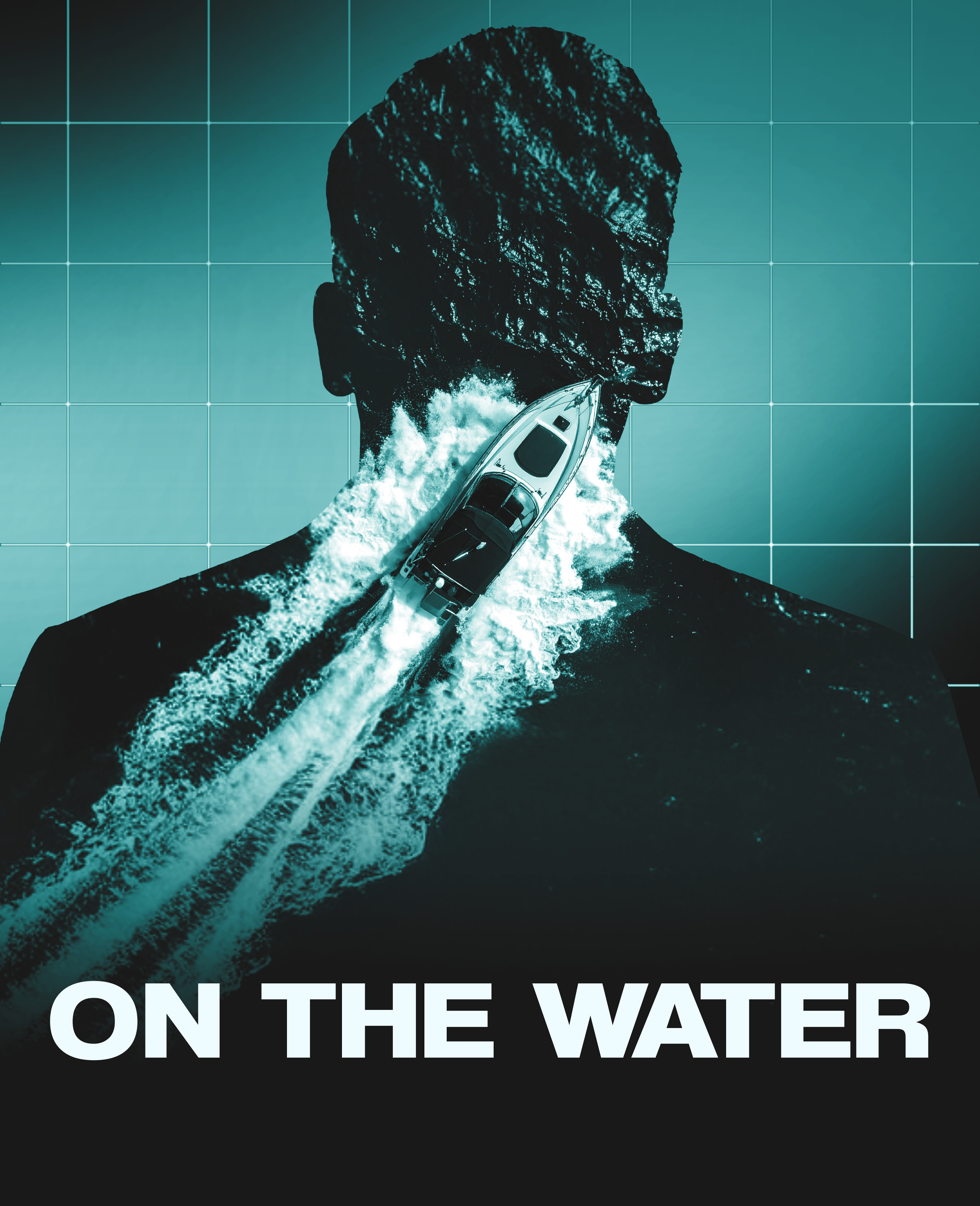
On the water
The river knows everything — who loved, who betrayed, who stole, and who killed. The Dnipro stays silent, but police On the Water make it talk.
The river cuts Kyiv in two: two banks, two worlds. One is ordinary life, the other hides the underworld. Life on the water plays by its own rules and everything intertwines. Business and crime, leisure and conspiracy, love and revenge. Beneath the calm current lie traces of buried truths invisible from the shore.
That’s where the special police unit comes in— the ones who patrol where others can’t. Every day they take to the water to investigate the darkest cases on the rivers, lakes, and coastal zones of the capital. For them, the Dnipro is not just a symbol of Kyiv. It’s a place where the truth sinks faster than a body, and every ripple can conceal a new crime.
Genre:
detective
Formate:
40 x 42’ episodes
TV series

Glace noire
On a glacier near Chamonix, high-flying ice skaters, dressed in strange, luminous costumes full of colour and rhinestones, costumes that might make you think of superhero outfits, execute dizzying figures to the sound of deafening music. Suddenly, a strange noise: something heavy falls. The skaters and event organizers panic. Most of them were wearing masks, helmets, or simply balaclavas, and they fled at full speed across the ice. One of the young, masked skaters - wearing a petrol blue tulle skirt and sequined leotard - collapses into the icy water, her body plunging into the depths of the lake. Who is this girl under the ice? Was she the victim of an accident or murder?
A gripping sports crime-drama set in the dazzling world of extreme figure skating.
Genre:
sports drama
Formate:
8 x 45’ episodes
TV series

BLOODLINE
A year after his demobilization, Danylo took the oath once again — this time to serve in the police. In the midst of danger, he sustained a severe injury, and his loyal comrade saved his life at the cost of his own.
Now, within the walls of Kyiv’s police force, his father Ivan and sister Olga serve alongside him, while his younger brother Yevhen has chosen his own path — becoming a private lawyer.
Yet the most terrifying secret awaits Danylo. He must uncover a shocking truth about his origins that will turn his entire life upside down. At the same time, he will have to dare to enter into a relationship he never dreamed possible — a fragile bond, shattered by the tragedy that broke his world.
BLOODLINE — is a story about the unbreakable strength that family gives, becoming a fortress even in the darkest times.
Genre:
detective, light family drama
Formate:
48 x 52’ episodes (2 seasons)